
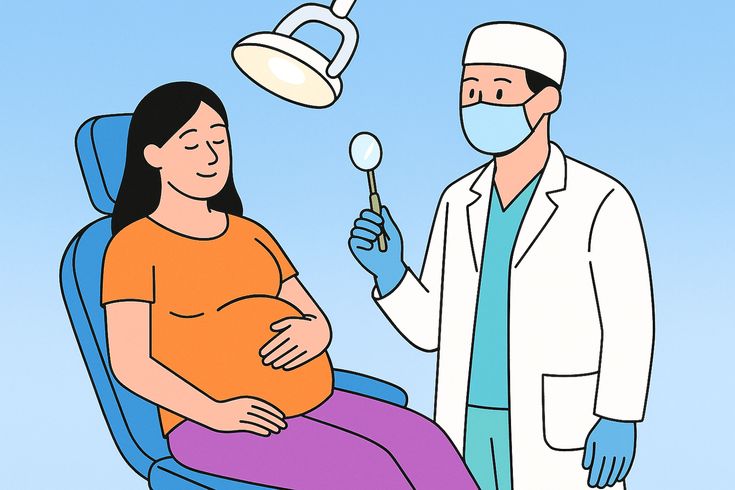
For most healthy pregnancies, normal delivery remains the preferred route because recovery is quicker and complications are fewer, but somewhere between 1 in 5 and 1 in 3 mothers will need a C-section for reasons that only become clear as labour unfolds, and neither choice is “better” in isolation, what matters is the one that keeps mother and baby safest on the day.
According to Dr. Nivedita Kadu, obstetrician and gynecologist at Lifeline Multispeciality Hospital in Ravet, explains,
“Every mother walks in hoping for a normal delivery, and that’s a good goal to have. But pregnancy doesn’t always read the textbook. My job isn’t to push one method, it’s to watch how your labour actually progresses and step in with a C-section only when the baby or the mother genuinely needs it. A planned, calm decision at the right moment is far safer than forcing a delivery that the body isn’t ready for.”
What's the Real Difference Between Normal Delivery and a C-Section?
A normal (vaginal) delivery is when the baby is born through the birth canal, while a C-section is a surgical delivery through an incision in the abdomen and uterus. Both are safe in the right hands, and the maternity team at Obstetrics & Gynecology in Ravet, Pune plans for either outcome rather than committing to one too early. Here’s how they actually compare for the things mothers ask about most.
- Recovery time: normal delivery wins: Most mothers are up and moving within hours and home in a day or two, while a C-section involves abdominal surgery, so the hospital stay and healing period run longer.
- Pain timing differs: Normal delivery means more discomfort during labour but a faster bounce-back afterward; a C-section is comfortable during surgery but the recovery soreness lasts several weeks.
- When a C-section becomes the safer choice: Baby in breech position, signs of distress during labour, the placenta blocking the cervix, stalled labour, or a previous C-section can all tip the decision, and these are about safety, not preference.
- Future pregnancies: Vaginal birth usually keeps future deliveries simpler. Multiple C-sections can add surgical considerations, which is why the first decision is never taken lightly.
- Best candidates for normal delivery: A single baby in head-down position, a healthy pregnancy with no major complications, and labour that progresses steadily are all good signs, though things can change, which is why monitoring matters more than any early prediction.
The honest takeaway is that the “right” choice is rarely fixed in advance. A good maternity team prepares you for a normal delivery while staying fully ready to switch to a C-section the moment it becomes the safer path.
What Does the Recovery Process Look Like After Each Type of Delivery?
Delivery is one day; recovery is the weeks that follow, and the two routes look quite different here. Knowing the timeline ahead of time takes a lot of the anxiety out of those first weeks at home. If you’re still weighing where to deliver, it’s worth reading why Ravet residents no longer travel to Pune for surgery, since the same convenience applies to maternity care close to home.
- Normal Delivery (first 24-48 hours): Most mothers can walk, eat, and begin feeding the baby within hours. Mild soreness is normal, and the short hospital stay means you settle into home life quickly.
- Normal Delivery (1-2 weeks): Energy returns steadily, light activity resumes, and any minor stitches heal. Most everyday routines feel manageable again before the fortnight is out.
- C-Section (first 3-4 days): This is abdominal surgery, so you’ll be monitored in hospital, with the team managing pain, watching the incision, and getting you gently mobile to prevent complications.
- C-Section (2-6 weeks): The incision heals gradually and heavy lifting is off-limits for a while. Follow-up checks make sure everything is closing well before you return to full activity.
|
Delivery Type |
Hospital Stay |
Recovery Window |
|
Normal Delivery |
1-2 days |
Most routines back within 1-2 weeks |
|
C-Section (planned) |
3-4 days |
Gradual healing over 4-6 weeks |
|
C-Section (emergency) |
3-5 days |
Similar healing plus rest for labour strain |
|
Both |
Postnatal follow-up |
Ongoing checks for mother and baby |
Full recovery for a normal delivery is often a couple of weeks, while a C-section needs four to six, and in both cases keeping your postnatal follow-up appointments is what catches small issues before they grow. Recovery also depends on rest, support at home, and not rushing back into a full routine too soon.
Why Choose Lifeline Multispeciality Hospital in Ravet for Your Delivery?
Lifeline Multispeciality Hospital in Ravet runs a complete obstetrics and gynecology service led by experienced consultants like Dr. Nivedita Kadu and Dr. Pranjali Suryawanshi, covering routine pregnancies, high-risk cases, and infertility care under one roof. With 24/7 emergency support, a dedicated ICU, fully equipped operation theatres, and a pediatric team on hand for the newborn, the hospital is set up to handle a planned normal delivery and an unexpected C-section with the same level of readiness.
FAQ's
Is normal delivery always better than a C-section?
Normal delivery usually means faster recovery and fewer surgical risks, so it’s preferred when the pregnancy allows it, but a C-section can be the safer choice when there are complications, and in those situations surgery genuinely protects both mother and baby.
Can I plan for a normal delivery and still need a C-section?
Yes, and this is very common. Labour can change quickly, so even a smooth pregnancy may need a C-section on the day if the baby shows distress or labour stalls, which is exactly why a well-prepared maternity team matters.
How long do I stay in hospital after each type of delivery?
A normal delivery usually means a stay of one to two days, while a C-section involves three to four days or slightly longer, so the team can monitor the incision and manage pain before you head home.
Does a previous C-section mean all future deliveries must be C-sections?
Not always. Some mothers can attempt a vaginal birth after a previous C-section, but it depends on individual factors, so the decision is made carefully with your obstetrician based on your specific history.
