
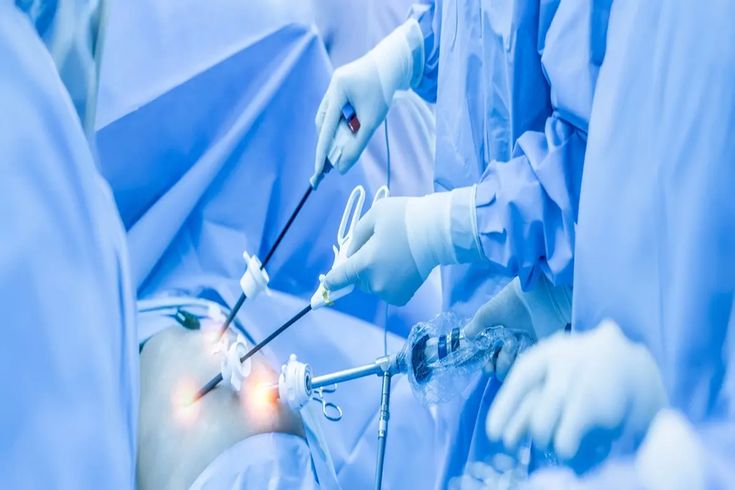
Where an open operation once meant a long incision and a week or more in hospital, laparoscopic (keyhole) surgery does the same job through a few small cuts, and for many patients that means going home in a day or two, far less pain, and getting back to normal life in weeks rather than months.
According to Dr. Pradeep Bansode, general and laparoscopic surgeon at Lifeline Multispeciality Hospital in Ravet,
“Patients often picture surgery as this big, dramatic event with weeks of being laid up afterward. With laparoscopy, that picture has changed completely. We’re operating through cuts smaller than a fingertip, so there’s less trauma to the body, less pain, and people are genuinely surprised how quickly they’re back on their feet. The operation itself is just as thorough, we simply reach it differently, and the recovery is where the patient really feels the difference.”
What Are the Real Benefits of Laparoscopic Surgery Over Open Surgery?
Laparoscopic surgery achieves the same surgical goal as a traditional open operation, but through a few small incisions rather than one large one and that single difference drives almost every advantage patients notice. At Lifeline, we offer advanced general surgery in Ravet, Pune for many common procedures. Here’s what this approach actually means for you.
- Smaller cuts, smaller scars: Instead of one long incision, the surgeon works through a few cuts often a centimetre or less, which heal into minimal scarring.
- Less pain after surgery: Smaller wounds mean less tissue disruption, so most patients report noticeably less post-operative pain and need less pain medication.
- Shorter hospital stay: Many laparoscopic procedures mean home in a day or two, and some are even day-care cases, compared with the longer stays open surgery often requires.
- Faster return to normal life: With less to heal, patients typically get back to work and daily routines in weeks rather than the longer recovery open surgery demands.
- Lower infection risk: Smaller wounds and less exposure of internal organs generally mean a reduced chance of wound infection and certain complications.
Not every patient or condition is suitable for keyhole surgery. The surgeon makes this decision based on the specifics of your case, and occasionally a planned laparoscopic procedure must be converted to open surgery for safety reasons. Where it is appropriate, however, the recovery benefits are real and well-documented.
What Does Recovery After Laparoscopic Surgery Actually Look Like?
The recovery is the part patients feel most, and it’s usually quicker and gentler than people expect, though it still deserves respect and rest. Having this kind of surgery available locally is a big part of why Ravet residents no longer travel to Pune for surgery, the recovery is easier when you’re close to home and your surgical team.
- First 24-48 hours: Most patients are up and walking the same day or the next, with any discomfort managed by medication, and many go home within a day or two.
- First week: Mild soreness around the small incisions is normal, and light activity resumes gradually while the cuts heal and energy returns.
- Two to three weeks: Many patients are back to work and most daily routines, depending on the procedure and how physically demanding their job is.
- Heavy activity: Strenuous lifting and intense exercise wait a little longer, and the surgeon advises exactly when based on the operation you had.
|
Stage |
Typical Timeline |
What to Expect |
|
Hospital stay |
1-2 days (some day-care) |
Walking soon after, pain managed |
|
Early recovery |
First week |
Mild soreness, light activity |
|
Back to routine |
2-3 weeks |
Return to work and daily life |
|
Full activity |
As advised |
Heavy lifting and exercise later |
The single most important thing is to follow your surgeon’s specific advice rather than rushing back, because even though recovery is faster, the internal healing still needs time. Keeping your follow-up appointment lets the team confirm everything is healing well before you return to full activity.
Why Choose Lifeline Multispeciality Hospital in Ravet for Laparoscopic Surgery?
Lifeline Multispeciality Hospital in Ravet is well-equipped for minimally invasive surgery, with experienced general and laparoscopic surgeons like Dr. Pradeep Bansode, modular operation theatres built to current safety standards, a dedicated ICU, and 24/7 emergency support all in one place. That combination matters because good laparoscopic outcomes depend not just on the equipment but on a surgeon’s experience and a team ready to manage any situation safely.
FAQ's
Is laparoscopic surgery safer than open surgery?
For suitable cases, laparoscopic surgery generally means less pain, lower infection risk, and faster recovery, but “safer” depends on the specific condition and patient. Your surgeon assesses whether keyhole or open surgery is the better and safer choice for your situation.
How soon can I go back to work after laparoscopic surgery?
Many patients return to work within two to three weeks, though it depends on the procedure and how physically demanding your job is. Desk-based work often resumes sooner than jobs involving heavy lifting, and your surgeon will give you a timeline specific to your operation.
Will I have visible scars after keyhole surgery?
Laparoscopic surgery uses a few small cuts, often a centimetre or less, which heal into minimal scarring that’s far less noticeable than the single long incision of open surgery. The exact appearance depends on your skin and the procedure performed.
Can every operation be done laparoscopically?
No. Many common procedures are well suited to keyhole surgery, but not all conditions or patients are suitable, and sometimes a planned laparoscopic operation needs to switch to open surgery for safety. Your surgeon decides the best approach for your specific case.
