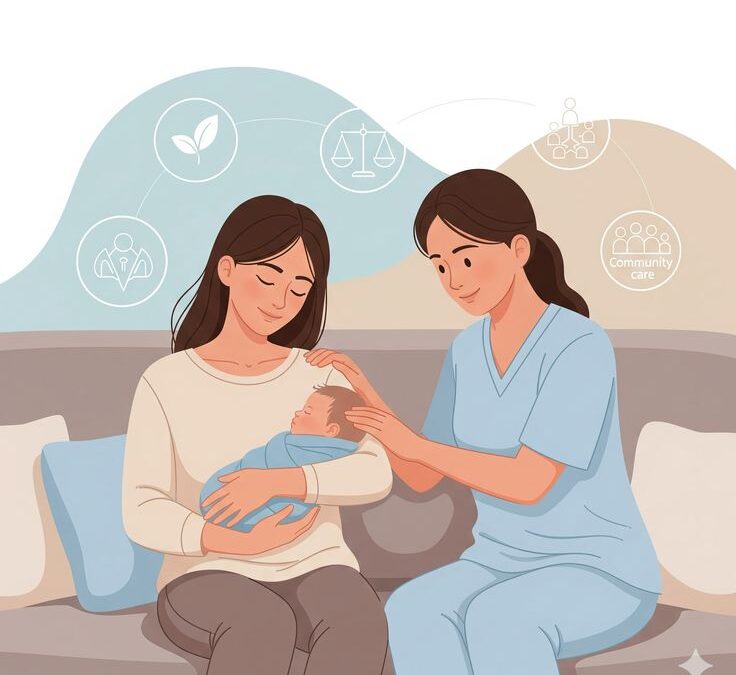
Most pregnancies progress without serious trouble. But a meaningful share often cited as roughly 1 in 5 involve factors that need closer watching. In these cases, a safe outcome usually depends on spotting those factors early and seeing an obstetrician regularly
According to Dr. Nivedita Kadu, obstetrician and gynecologist at Lifeline Multispeciality Hospital in Ravet, explains,
“A high-risk pregnancy does not mean something will go wrong; it simply means closer monitoring is needed. Most complications show warning signs early, and regular check-ups help ensure timely care and safer outcomes for both mother and baby.”
What Actually Makes a Pregnancy "High-Risk"?
A high-risk pregnancy is simply one where the mother or baby has a higher chance of complications, which means more frequent monitoring rather than automatic bad news. The maternity team at Obstetrics & Gynecology in Ravet, Pune assesses these factors at the first visit and keeps reassessing through the pregnancy. Here are the common reasons a pregnancy gets flagged.
- Maternal age: Pregnancies under 18 or over 35 carry a slightly higher chance of complications, so they’re monitored a little more closely from the start.
- Pre-existing conditions: Diabetes, high blood pressure, thyroid problems, heart conditions, or autoimmune disorders all need a coordinated plan, which is where having multiple specialists under one roof helps.
- Pregnancy-related conditions: Gestational diabetes, pre-eclampsia (high blood pressure in pregnancy), or problems with the placenta can develop along the way, which is exactly why routine check-ups matter.
- Carrying multiples: Twins or more naturally means closer monitoring, since these pregnancies have a higher chance of early labour and other complications.
- History matters: A previous miscarriage, premature birth, stillbirth, or earlier complicated delivery will usually mean a more watchful approach this time around.
The reassuring reality is that “high-risk” is a monitoring label, not a verdict. With the right schedule of appointments, scans, and a team that acts on warning signs early, the large majority of these pregnancies still end with a healthy mother and baby.
When Should You Actually See an Obstetrician During a High-Risk Pregnancy?
Timing is everything here, and the rule of thumb is simpler than people expect: sooner is always better, and certain symptoms mean you go now rather than wait for your next appointment. If you’ve recently moved to the area, it’s worth knowing why Ravet residents no longer travel to Pune for surgery and specialist care; the same convenience applies to high-risk maternity monitoring close to home.
- At the first sign of pregnancy:An early booking visit lets the obstetrician assess risk factors from the start and set a monitoring plan, instead of discovering issues late.
- For any warning symptom, immediately: Severe headaches, vision changes, sudden swelling, heavy bleeding, severe abdominal pain, or a noticeable drop in the baby’s movements are all reasons to be seen without delay.
- On the recommended schedule: High-risk pregnancies usually mean more frequent visits than standard ones, and keeping every appointment is what allows small changes to be caught early.
- Before planning, if you have a condition: If you have diabetes, hypertension, or another chronic condition, a pre-pregnancy consultation helps get things stable before conception.
|
Stage / Situation |
When to See an Obstetrician |
|
Confirmed pregnancy |
As early as possible for a book visit |
|
Known chronic condition |
Before conceiving, or immediately on confirming |
|
Warning symptoms |
Same day, do not wait for next appointment |
|
Ongoing high-risk care |
More frequent visits as advised by your doctor |
The single biggest factor in a good outcome is not skipping appointments, because monitoring only works if it’s consistent. If anything ever feels wrong between scheduled visits, the safe move is always to call or come in rather than wait, an obstetrician would much rather check a false alarm than miss a real one.
Why Choose Lifeline Multispeciality Hospital in Ravet for High-Risk Pregnancy Care?
Lifeline Multispeciality Hospital in Ravet is well-equipped for high-risk pregnancy care, with experienced obstetricians, 24/7 emergency services, a dedicated ICU, fully equipped operation theatres, and an on-site paediatric team. Since high-risk pregnancies often require fast, coordinated action, this integrated setup ensures mother and baby receive prompt, expert care.
FAQ's
Does a high-risk pregnancy mean something will definitely go wrong?
No. High-risk simply means there are factors worth monitoring more closely, and most high-risk pregnancies still end with a healthy mother and baby, especially when the mother attends regular check-ups and warning signs are caught early.
How often will I need to see the obstetrician if my pregnancy is high-risk?
More often than a standard pregnancy, though the exact schedule depends on your specific risk factors. Your obstetrician sets a personalised plan, and the key is keeping every appointment so that any change is spotted in time.
What symptoms should make me see a doctor immediately?
Severe or persistent headaches, vision changes, sudden swelling of the face or hands, heavy bleeding, severe abdominal pain, or a clear reduction in the baby’s movements all warrant being seen the same day rather than waiting for your next scheduled visit.
Can I still have a normal delivery with a high-risk pregnancy?
Sometimes yes, it depends entirely on the specific risk factors and how the pregnancy progresses. Your obstetrician will discuss the safest delivery option with you as your due date approaches, and that plan can adjust right up to labour.
