
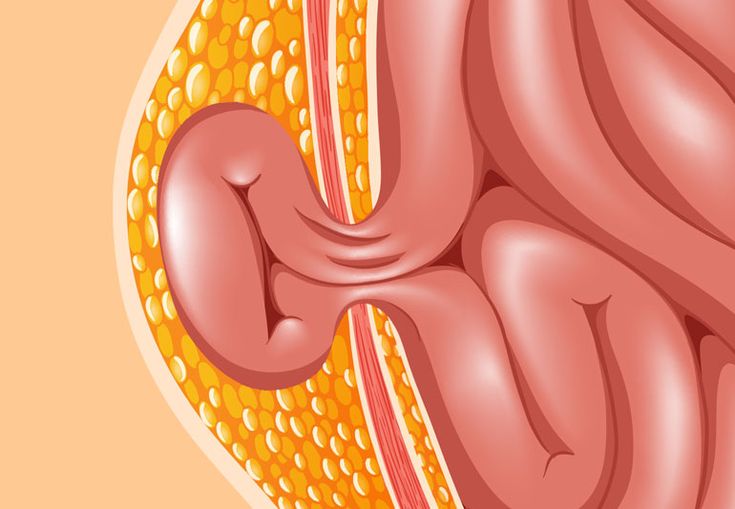
A hernia won’t heal on its own, it’s a gap or weak spot in the muscle wall that tissue pushes through, and while many cause only mild discomfort at first, surgery is the only real fix, with most modern repairs done as day-care or a short stay and patients back to light routines within a couple of weeks.
According to Dr. Pradeep Bansode, general and laparoscopic surgeon at Lifeline Multispeciality Hospital in Ravet,
“People often live with a hernia for years, ignoring the bulge because it doesn’t hurt much. The trouble is that a hernia only grows, never shrinks, and the small risk is that it can suddenly trap tissue and become an emergency. My advice is simple, get it assessed early. A planned, routine repair is straightforward and the recovery is quick, whereas an emergency operation on a strangulated hernia is a much bigger event entirely.”
What Are the Different Types of Hernia, and How Are They Treated?
A hernia occurs when an internal part of the body pushes through a weakness in the surrounding muscle or tissue wall, with each type named after where it appears. At Lifeline, our surgical team offers advanced general surgery in Ravet, Pune, treating the full range. Here are the common types and how repair works.
- Inguinal hernia (groin): The most common type, more frequent in men, appearing as a bulge in the groin. It often becomes more noticeable when standing, coughing, or lifting.
- Umbilical hernia (near the navel): A bulge at or near the belly button, common in infants but also seen in adults, particularly after pregnancy or with weight gain.
- Incisional hernia: Occurs at the site of a previous surgical scar where the muscle wall has weakened, which is why proper healing after any abdominal surgery matters.
- Hiatal and femoral hernias: Less common, a hiatal hernia involves the stomach pushing up through the diaphragm, while a femoral hernia appears lower in the groin and needs prompt attention.
- How treatment works: Repair returns the tissue to place and reinforces the weak spot, often with a mesh patch, done either by open surgery or laparoscopic (keyhole) surgery depending on the case.
The important honest point is that a hernia causing no symptoms is sometimes simply monitored, but the moment it grows, becomes painful, or shows signs of trapping tissue, repair becomes the safe choice. Which surgical method suits you is a decision your surgeon makes based on the hernia’s type, size, and your overall health.
What Does Recovery After Hernia Surgery Actually Look Like?
Recovery is usually quicker than people fear, especially with keyhole repair, though it still needs sensible rest to let the repair settle. Having surgery close by removes a lot of stress, which is part of what makes a multispecialty hospital worth choosing. You can avail specialist consultations, surgery, and follow-up care all in one place near your home.
- Same day to 48 hours: Many hernia repairs are day-care or a single overnight stay, with patients up and walking soon after and discomfort managed by medication.
- First week: Mild soreness around the repair is normal, and gentle movement is encouraged while heavy activity is avoided to protect the healing area.
- Two to three weeks: Most patients return to work and everyday routines, with desk jobs resuming sooner than physically demanding ones.
- Heavy lifting and exercise: These wait longer, and your surgeon gives a specific timeline so the repair has fully settled before you put strain on it.
|
Stage |
Typical Timeline |
What to Expect |
|
Hospital stay |
Day-care or 1 night |
Walking soon after, pain managed |
|
Early recovery |
First week |
Mild soreness, gentle movement |
|
Back to routine |
2-3 weeks |
Return to work and daily life |
|
Heavy activity |
As advised |
Lifting and exercise resume later |
The single biggest factor in a smooth recovery is not rushing back into heavy lifting before the repair has settled, since that’s what protects against the hernia coming back. Keeping your follow-up appointment lets the surgeon confirm the repair is healing well before you return to full activity.
Why Choose Lifeline Multispeciality Hospital in Ravet for Hernia Surgery?
Lifeline Multispeciality Hospital in Ravet is well-suited to hernia care, with experienced general and laparoscopic surgeons like Dr. Pradeep Bansode, modular operation theatres built to current safety standards, a dedicated ICU, and 24/7 emergency support all under one roof. That matters because while most hernia repairs are routine, having full surgical and critical-care backup means any situation, including the rare emergency of a strangulated hernia, can be handled safely and quickly.
FAQ's
Can a hernia heal on its own without surgery?
No. A hernia is a physical gap in the muscle wall and won’t close by itself. A small, symptom-free hernia is sometimes simply monitored, but it won’t shrink, and surgery is the only way to actually repair it once it grows or causes symptoms.
Is hernia surgery a major operation?
Most hernia repairs are routine procedures, often done as day-care or with a single overnight stay, and many are performed using keyhole surgery for a faster recovery. Your surgeon will explain the specific approach for your hernia and what it involves.
How long before I can return to work after hernia surgery?
Many patients return to work within two to three weeks, though it depends on the repair and how physically demanding your job is. Desk-based work often resumes sooner, while jobs involving heavy lifting need a longer wait that your surgeon will specify.
What happens if I leave a hernia untreated?
A hernia tends to grow over time and won’t improve on its own. The main concern is the small risk of strangulation, where tissue gets trapped and its blood supply is cut off, which becomes a medical emergency. This is why early assessment and planned repair are usually safer than waiting.
References
