

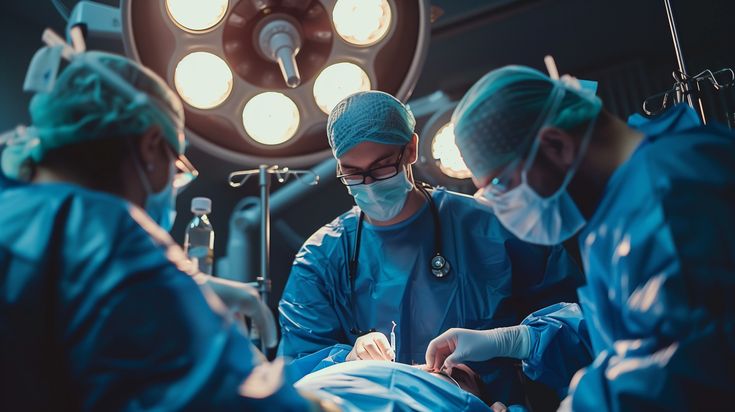
Prostate and bladder conditions are among the most common reasons men seek surgical care, yet many put off getting assessed for longer than they should. Catching these conditions early makes both the treatment and the recovery considerably more straightforward.
According to a urologist at Lifeline Multispeciality Hospital in Ravet,
“Urological problems tend to be gradual, so patients normalise the symptoms and come in quite late. With prostate and bladder conditions especially, early assessment means more options and usually a less involved procedure.”
Experiencing urinary symptoms and want to get assessed?
What Are the Common Urological Conditions That Need Surgical Treatment?
Urological conditions affecting the prostate, bladder, and kidneys range from benign but disruptive to serious and time-sensitive. At Lifeline, our team provides surgical care in Ravet, Pune, with specialist urology consultation for conditions that need more than medication to resolve.
- Benign prostatic hyperplasia (BPH): A non-cancerous prostate enlargement that gradually obstructs urine flow, causing a weak stream, frequent urination, and incomplete emptying. Medication manages mild cases, but significant obstruction or retention often requires surgical intervention such as TURP.
- Bladder stones: Mineral deposits that form in the bladder and cause pain, frequent urination, and blood in urine. Small stones may pass with increased fluids, but larger ones need endoscopic removal or surgery.
- Kidney stones: Stones that form in the kidneys and can travel to the ureter, causing severe flank pain. Many pass on their own, but stones causing obstruction or infection need ureteroscopy, laser fragmentation, or PCNL depending on size and location.
- Bladder tumours: Growths on the bladder wall that require cystoscopy for diagnosis and TURBT for removal. Early detection and complete resection are critical to preventing recurrence and deeper invasion.
- Urinary retention: The inability to empty the bladder fully, often caused by BPH, strictures, or nerve problems. Acute retention is a medical emergency, and the underlying cause needs to be addressed surgically in most persistent cases.
The right approach depends on the condition, its severity, and the patient’s overall health. Many urological procedures today are minimally invasive, meaning shorter hospital stays and faster recovery than patients typically expect.
What Does Recovery After Urological Surgery Look Like?
Recovery after urological surgery follows a clear pattern, though the timeline differs depending on whether the procedure was endoscopic, laparoscopic, or open. Understanding what to expect at each stage helps patients plan properly and avoid complications from returning to activity too early.
- First 24 to 48 hours: Most minimally invasive urological procedures allow discharge within one to two days. A urinary catheter may be in place temporarily, and any discomfort is managed with medication.
- First week: Mild discomfort and some urinary symptoms such as frequency or mild burning are normal as the tissues heal. Light activity resumes gradually while strenuous movement is avoided.
- Two to three weeks: Most patients return to desk work and routine daily activities. The operated area continues to heal internally even when symptoms have settled.
- Heavy activity and follow-up: Strenuous exertion waits until the surgeon confirms healing is complete. A follow-up appointment also allows the team to review any pathology results, which is especially important after bladder tumour surgery.
Stage | Typical Timeline | What to Expect |
Hospital stay | 1-2 days (most procedures) | Catheter possible, pain managed |
Early recovery | First week | Mild urinary symptoms, light activity |
Back to routine | 2-3 weeks | Desk work, daily activities resume |
Full activity | As advised | Cleared after follow-up confirms healing |
The follow-up appointment is not optional, it’s where pathology results are reviewed and the next steps confirmed. Read more about how Lifeline manages post-surgical recovery in our earlier post on sports injury treatment and what structured follow-up looks like across different conditions.
Why Choose Lifeline Multispeciality Hospital in Ravet for Urological Surgery?
Lifeline Multispeciality Hospital in Ravet has urological specialists, modular operation theatres, a dedicated ICU, and 24/7 emergency support under one roof. Urological conditions can escalate quickly, acute urinary retention, obstructive kidney stones, and suspected bladder tumours all need prompt assessment and the ability to act and having full diagnostic, surgical, and critical care capability in one place means patients are not waiting, travelling, or being transferred when time matters.
FAQ's
How do I know if my prostate or bladder problem needs surgery?
Surgery is considered when symptoms are severe, quality of life is affected, or medication hasn’t worked. Significant BPH causing retention, bladder tumours, and obstructive kidney stones are common surgical indications. Your urologist decides based on examination, imaging, and test results.
Is urological surgery a major operation?
Many urological procedures are minimally invasive, done endoscopically or laparoscopically, with short stays and quicker recovery. Open surgery is reserved for complex cases. Your surgeon explains the specific approach and what the recovery involves before you decide.
What is BPH and when does it need treatment?
BPH is a non-cancerous prostate enlargement that commonly affects men over 50, causing urinary symptoms like a weak stream and frequent urination. Mild cases are managed with medication, but significant obstruction or urinary retention typically needs surgical treatment.
How long is recovery after urological surgery?
Minimally invasive procedures like TURP or ureteroscopy usually mean a one to two day stay and return to routine within two to three weeks. Open surgeries take longer. Your surgeon gives a timeline specific to your procedure and health.

