

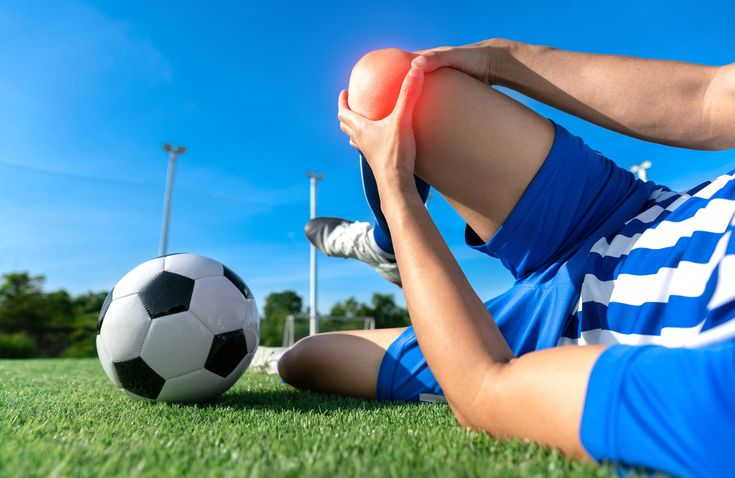
Most sports injuries recover fully when they are assessed early and treated with the right orthopedic plan. Accurate diagnosis through clinical examination and imaging identifies exactly what was injured, which guides whether physiotherapy, bracing, or surgery gives the best outcome. Structured rehabilitation then restores strength and movement, helping athletes return to their sport safely and stay injury-free.
According to an orthopedic specialist at Lifeline Multispeciality Hospital in Ravet,
“Athletes push through pain they shouldn’t, and by the time they come in, what could have been managed simply has become more complicated.”
What Are the Most Common Sports Injuries and How Are They Treated?
Sports injuries range from muscle strains that settle with physiotherapy to fractures and ligament tears that need surgical management. At Lifeline, our team offers trauma care in Ravet, Pune for acute injuries alongside orthopedic consultation for ongoing sports-related conditions.
- Ligament sprains:A ligament sprain happens when the tough bands connecting bone to bone get overstretched or torn. The ankle, knee, and wrist take the brunt of these injuries, largely because they bear weight, twist, and absorb sudden impacts during everyday movement.
- Muscle and tendon strains: Common in hamstrings, calves, and the shoulder. Higher-grade tears need more structured recovery and may require surgical repair.
- Fractures: Direct impact or overuse stress fractures both occur in athletes. Displaced fractures need surgical fixation, while stable ones are managed with immobilization.
- Dislocations: Shoulders and fingers are common sites. Proper reduction and joint stabilization are essential, since repeated dislocations without treatment lead to long-term instability.
- Knee injuries: ACL and meniscus tears are frequent in runners and court sport players. Imaging is needed to assess accurately, and many cases require surgical repair followed by rehabilitation.
Not every sports injury needs surgery, but all of them deserve a proper assessment before a treatment decision is made.
What Does Recovery from a Sports Injury Actually Look Like?
Recovery follows a broadly predictable pattern, though the timeline depends entirely on what was injured and how it was treated. Local care matters here because follow-up, not just the initial treatment, is what drives a good outcome.
- First 48 to 72 hours: Swelling control, pain management, and protecting the area from further stress. Rest, ice, compression, and elevation come before a formal treatment plan is confirmed.
- First one to two weeks: Treatment begins once the injury is properly assessed. This may be physiotherapy, bracing, casting, or surgery. Gentle movement within a pain-free range is encouraged early.
- Weeks two to six: Active rehabilitation to rebuild strength and range of motion. Returning to sport during this window is the most common reason injuries recur.
- Return to sport: A mild ankle sprain may resolve in two to three weeks. An ACL reconstruction takes six months or more. Your doctor and physiotherapist give a timeline specific to your injury and sport.
| Stage | Typical Timeline | What to Expect |
| Acute management | First 48-72 hours | Swelling control, pain management |
| Initial treatment | Weeks 1-2 | Physio, bracing, or surgical plan |
| Rehabilitation | Weeks 2-6 | Strength and mobility rebuilding |
| Return to sport | As advised | Cleared after function is restored |
Tissue heals on its own schedule, and a follow-up clearance before returning to full training is what prevents the same injury from coming back. Read more about recovery care in our post on knee replacement to see how Lifeline manages post-treatment follow-up.
Why Choose Lifeline Multispeciality Hospital in Ravet for Sports Injury Treatment?
Lifeline Multispeciality Hospital in Ravet brings together orthopedic specialists, trauma care, modular operation theatres, a dedicated ICU, and 24/7 emergency support under one roof. A sprain that looks minor can be a fracture, and a knee injury can involve more structures than first examination reveals having imaging, specialist consultation, and surgical backup all in one place means nothing is missed and nothing is delayed.
FAQ's
Is it safe to keep training through a sports injury?
Minor muscle soreness is different from joint pain, swelling, or instability. Training through the latter makes the injury worse, and an early assessment tells you exactly what level of activity is safe.
How do I know if my sports injury needs surgery?
Many injuries heal with rest, physiotherapy, and bracing. Surgery is considered for complete ligament or tendon tears, displaced fractures, or joint instability that doesn’t respond to conservative management. Your orthopedic doctor decides based on examination and imaging.
How long does a sports injury take to heal?
Mild strains settle in one to two weeks. Ligament sprains take four to eight weeks. Fractures need six to twelve weeks. ACL reconstruction takes six months or more. Your doctor gives a timeline specific to your injury.
Can I prevent the same injury from recurring?
Yes, with proper rehabilitation. The injury site stays vulnerable until strength and coordination are fully restored, and returning to sport before that point is the most common cause of recurrence. A cleared return-to-sport assessment is the most effective protection.

