

Urology in Pune-Ravet
Urinary problems, kidney stones, prostate concerns, bladder issues and male urinary health conditions should not be taken lightly. If you are trying to find urology in Pune-Ravet, Lifeline Hospital can help with evaluation and treatment support for a lot of urinary tract and urological concerns.
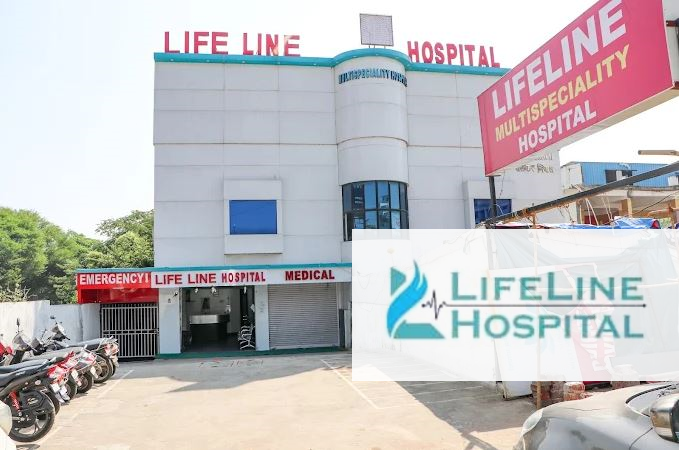
At Lifeline Hospital, Ravet, people can meet the team for issues involving the kidneys, bladder, ureter, prostate, the urinary tract, and overall male urinary well-being. The setup is backed by multispeciality care, operation theatre facilities, ICU support, and urology services so diagnosis is done quickly and treatment planning is on time.

Urology Care at Lifeline Hospital, Ravet
Urology is about issues that touch the urinary system in men and women, but also covers male reproductive concerns and prostate related health matters. A lot of urological problems start with small signs like burning while urinating, peeing more often, pain in the lower abdomen, blood in urine, or trouble getting urine to pass.
If people get checked early, the cause can be spotted sooner and the problem doesn’t usually turn into something more painful,or more complicated later. Lifeline Hospital provides urology services in Pune-Ravet, with a patient first approach and hospital based backing for care.

Conditions Treated Under Urology
Patients may visit a urologist in Pune-Ravet for:
Kidney stones
Urinary tract infection
Burning sensation while urinating
Frequent urination
Blood in urine
Difficulty passing urine
Bladder pain
Lower abdominal pain
Prostate-related problems
Urinary leakage or incontinence
Male urinary health concerns
Pain during urination
Recurrent urinary infections
Ureteric stones
Emergency urinary retention
Some more condition with Symptoms and Treatment:
| Condition | Common Symptoms | Treatment Approach |
|---|---|---|
| Kidney Stones | Flank pain, blood in urine, vomiting | Medical, ESWL, ureteroscopy, PCNL |
| UTI (Lower Tract) | Burning urination, urgency, frequency | Urine culture-guided antibiotics |
| Pyelonephritis | High fever, back pain, nausea | IV or oral antibiotics, hospitalisation |
| BPH (Enlarged Prostate) | Weak flow, nocturia, urgency | Alpha-blockers, 5-ARI meds, TURP |
| Prostatitis | Pelvic pain, painful urination, fever | Antibiotics, alpha-blockers, NSAIDs |
| Overactive Bladder | Urgency, frequency, urge incontinence | Bladder training, anticholinergics |
| Stress Urinary Incontinence | Leaking on exertion or coughing | Pelvic floor therapy, sling procedure |
| Bladder Tumour | Blood in urine, irritative voiding | Cystoscopy, biopsy, TURBT |
| Renal Cysts | Usually asymptomatic | Monitoring or aspiration |
| Hydronephrosis | Flank fullness, recurrent UTI | Treatment of underlying obstruction |
| Male Infertility | Inability to conceive | Hormonal workup, varicocelectomy |
| Varicocele | Scrotal aching | Microsurgical varicocelectomy |
| Erectile Dysfunction | Difficulty achieving/maintaining erection | Lifestyle, medications, injections |
| Undescended Testes | Absent testis in scrotum | Orchidopexy surgery |
| Bedwetting (Enuresis) | Nighttime urination | Behavioural, alarm, medication |
| Urethral Stricture | Thin stream, incomplete emptying | Urethroscopy, dilation, surgery |
| Testicular Cancer | Painless testicular swelling | Staging, surgery, oncology |
| Prostate Cancer | Often asymptomatic | Watchful waiting, radiation, surgery |
When should you, visit a urologist?
A lot of urological symptoms get brushed off, or handled with over the counter medication, way longer than they should be. Here are 8 warning signs that really do merit a specialist chat, because leaving it alone can turn into a bigger deal:

Blood in the urine (haematuria) — even if it shows up just once, don’t just ignore it. It might point to a kidney stone , an infection, or in some situations, issues involving the bladder or kidney tumour
Burning or pain while urinating that lasts more than 48 hours, especially if there’s fever along with lower back pain
Frequent urination at night (nocturia) — getting up more than once to pee, is not really normal in adults under 60
Trouble getting started, or a weak urine stream in men — a classic marker of prostate enlargement, and it tends to worsen with time
Lower back or flank pain that comes in waves, and then shifts toward the groin — this often fits kidney stone movement
Urine leaking when you cough, laugh, sneeze, or during physical activity
Recurrent UTIs — if it’s two or more urinary tract infections within 6 months, or three within a year, then the cause should be checked rather than assumed
Testicular or scrotal swelling, or pain — this can be epididymitis, varicocele, torsion , or in rare cases, testicular cancer
Your content goes here. Edit or remove this text inline or in the module Content settings. You can also style every aspect of this content in the module Design settings and even apply custom CSS to this text in the module Advanced settings.
Urology Services in Pune-Ravet
Kidney Stone Treatment (Urolithiasis)
Kidney stones are one of the most common urological emergencies seen in Pune. Diagnosis via ultrasound or CT KUB, followed by a treatment plan based on stone size, location, and composition. Small stones (under 5mm) are often managed medically. Larger stones may require ESWL, ureteroscopy with laser lithotripsy, or PCNL. Dietary and hydration counselling provided to reduce recurrence.
Urinary Tract Infections (UTI)
UTIs affecting the bladder, urethra, or kidneys — diagnosed via urine culture and sensitivity testing to ensure the right antibiotic is prescribed. Recurrent UTI management includes investigation for underlying structural causes. Both simple and complicated UTIs (including in diabetic patients and the elderly) are managed.
Prostate Disorders — BPH & Prostatitis
Benign prostatic hyperplasia (BPH) causes urinary symptoms in 1 in 2 men above 60. Symptoms include weak urine flow, frequent nighttime urination, urgency, and incomplete bladder emptying. Medical management with alpha-blockers and 5-alpha reductase inhibitors is first-line. Surgical options including TURP (transurethral resection of prostate) and laser prostatectomy are available for cases not responding to medication.
Bladder Conditions
Overactive bladder (OAB), bladder outlet obstruction, stress urinary incontinence, interstitial cystitis, and bladder tumours — diagnosed through cystoscopy, urodynamic studies, and biopsy where indicated. Both conservative management and surgical treatment are available.
Male Infertility & Sexual Health
Azoospermia, oligospermia, varicocele, erectile dysfunction, and premature ejaculation assessed and managed with a combination of hormonal investigations, ultrasound, lifestyle intervention, medications, and minor surgical procedures (varicocelectomy, sperm retrieval).
Kidney & Renal Conditions
Obstructive uropathy, hydronephrosis, renal cysts, and ureteral strictures. Imaging-guided diagnosis and medical or surgical management depending on the underlying cause.
Prostate Cancer Screening & Monitoring
PSA (prostate-specific antigen) blood tests, digital rectal examination, and MRI-guided biopsy referrals. Annual screening recommended for men above 50, or above 40 with a family history. Early-stage prostate cancer has a near 100% survival rate with appropriate treatment.
Urinary Incontinence
Stress incontinence (leaking on coughing, sneezing, or exercise), urgency incontinence, and mixed incontinence. Pelvic floor physiotherapy, bladder training, medications, and surgical options including sling procedures for women and artificial urinary sphincter for men.
Paediatric Urology
Bedwetting (nocturnal enuresis), vesicoureteral reflux, undescended testes (cryptorchidism), hypospadias, and urinary tract abnormalities in children. Paediatric cases are managed with age-appropriate care plans and, where needed, referral to a paediatric urological surgeon.
Urology Cancer Consultations
Initial consultations, staging investigations, and treatment coordination for bladder, kidney, prostate, and testicular cancers. Coordination with oncology teams for patients requiring multi-disciplinary management.
Why Choose Lifeline Hospital for Urology in Pune-Ravet?
Lifeline Multispeciality Hospital in Ravet, Pune provides multispeciality care with urology services. Patients benefit from hospital-based facilities and coordinated care when a urinary problem needs urgent attention or surgical support.
Key Highlights:
Urology care available in Ravet, Pune
Associated urology specialist, Dr. Sunil Palve
Care for kidney stones, urinary infections, prostate concerns, and bladder problems
Operation theatre support
ICU support when needed
Multispeciality hospital setup
Convenient location near Sant Tukaram Maharaj Bridge, Ravet
Urology Doctor at Lifeline Hospital
Dr. Sunil Palve
Dr. Swapnil bobade
The hospital also has support from doctors across general surgery, nephrology, spine surgery, gynecology, pediatrics, neurology, gastroenterology, and other specialties.
This multispeciality setup helps patients who need combined medical care, especially when urinary problems are linked with kidney, infection, surgical, or general health concerns.
Treatment Approach for Urology Patients

Urology is a specialty where the right sequence of investigation matters enormously. Jumping straight to surgery without a proper workup, or prescribing antibiotics without a urine culture, are errors that lead to worse outcomes. Here’s how structured urological care works:
Step 1 : Symptom Assessment & History
Understanding when symptoms started, how they’ve changed, what makes them worse, and what medications you’re currently taking. For conditions like BPH or recurrent UTIs, a detailed history often points toward the diagnosis before any test is run.
Step 2 : Urine & Blood Investigations
Urine routine, urine culture, PSA (for men above 45), serum creatinine and eGFR (kidney function), complete blood count, and hormonal panels where relevant.
Step 3 : Imaging
Ultrasound of the kidneys, ureters, and bladder (KUB) is the standard first-line imaging for most urological complaints. CT urogram is used for precise stone mapping and upper tract assessment. Cystoscopy is performed when bladder pathology is suspected.
Step 4 : Diagnosis & Treatment Planning
A working diagnosis is established and the treatment plan presented — including options, timelines, what to expect, and what happens if conservative management doesn’t work.
Step 5 : Medical or Procedural Treatment
Most urological conditions are managed medically or with minimally invasive procedures first. Open or laparoscopic surgery is reserved for cases where less invasive approaches aren’t appropriate.
Step 6 : Follow-Up & Prevention
Urology conditions have higher recurrence rates than most specialties. Kidney stones recur in 50% of patients within 10 years without dietary changes.
Prostate conditions require annual monitoring. Follow-up protocols are built into the treatment plan from day one.
The treatment process usually begins with understanding the patient’s symptoms, medical history, pain pattern, urinary habits, and previous reports if available.
In short, Depending on the condition, the doctor may suggest:
1. Urine tests
2. Blood tests
3. Ultrasound or imaging
4. Medication
5. Pain management
6. Infection treatment
7. Stone management
8. Lifestyle and hydration advice
9. Procedure or surgery if needed
10. Follow-up care
The goal is to identify the cause, reduce discomfort, prevent recurrence, and guide the patient toward safer recovery.
FAQs
1. Which hospital provides urology care in Pune-Ravet?
Lifeline Hospital in Ravet provides urology care for urinary issues, kidney stones, prostate problems, bladder concerns, and related urological conditions.
2. When should I consult a urologist?
You should consult a urologist if you have burning urination, blood in urine, frequent urination, kidney stone pain, difficulty passing urine, or repeated urinary infections.
3. Does Lifeline Hospital provide kidney stone treatment in Ravet?
Yes, Lifeline Hospital provides evaluation and treatment support for kidney stones. Treatment depends on the size, location, pain level, and overall condition of the patient.
4. Can a urologist treat prostate problems?
Yes, urologists diagnose and manage prostate-related concerns such as weak urine flow, frequent urination, nighttime urination, urgency, and difficulty emptying the bladder.
5. How can I book a urology appointment at Lifeline Hospital?
You can call 9172519029 to book a urology consultation at Lifeline Hospital, Ravet, Pune.
