

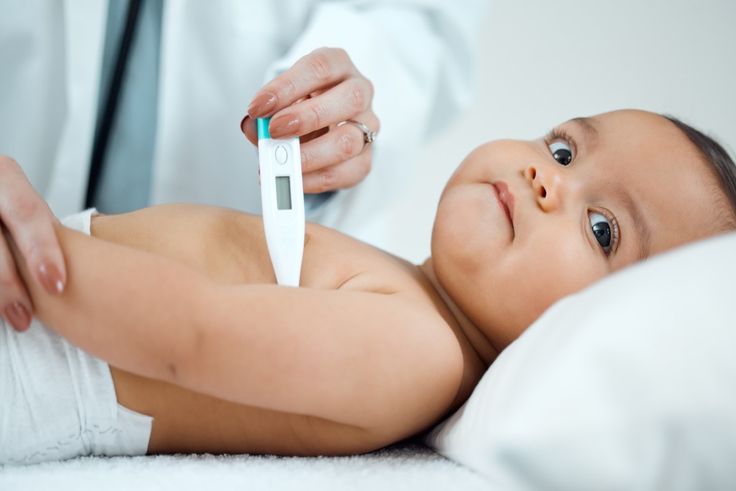
Most children pick up several minor infections a year, colds, tummy bugs, ear infections, and the large majority clear up on their own with rest and fluids, but the real skill for a parent isn’t treating every sniffle, it’s knowing the handful of warning signs that mean a quick trip to the pediatrician instead of waiting it out at home.
According to the consultant pediatric team at Lifeline Multispeciality Hospital in Ravet,
“Fever alone is rarely the real concern; a child’s behavior tells the bigger story. If a child is unusually drowsy, struggling to breathe, or not drinking well, prompt medical evaluation is important.”
What Are the Most Common Childhood Illnesses, and Which Ones Settle on Their Own?
Most childhood illnesses are mild, viral, and self-limiting, meaning they pass without specific treatment, but knowing which is which helps you stay calm and act at the right moment. The pediatric team at Advanced Pediatric Care in Ravet, Pune sees these conditions every day. Here are the ones parents encounter most.
- Coughs and colds: Easily the most frequent, and usually viral, so antibiotics don’t help. Most resolve in a week or so with fluids, rest, and comfort measures.
- Fever: A symptom, not an illness in itself. It’s the body fighting infection, and what matters most is how the child is otherwise behaving, not just the number on the thermometer.
- Diarrhoea and vomiting: Common and usually short-lived, but the real concern is dehydration, so keeping fluids going is the priority while it passes.
- Ear infections and sore throats: Frequent in younger children and often viral, though some need a doctor’s assessment to decide whether treatment is required.
- Rashes and skin conditions: Most are harmless and viral, but a rash combined with high fever or one that doesn’t fade under pressure needs prompt medical attention.
The reassuring truth is that the vast majority of these settle with home care and a little patience. The goal isn’t to medicalise every cold, it’s to recognise the smaller number of situations where a child genuinely needs to be seen, which is exactly what the next section covers.
When Should You Actually Take Your Child to the Pediatrician?
Paediatric care is one reason families value having everything close at hand the same reasoning behind what makes a multispecialty hospital worth choosing, where specialists and emergency support sit under one roof.
- Go immediately for breathing trouble: Fast, laboured, or noisy breathing, or a child struggling to get words or feeds out, always warrants urgent assessment.
- Go for signs of dehydration: Very few wet nappies, no tears when crying, a dry mouth, or unusual drowsiness during a tummy bug mean it’s time to be seen.
- Go for a very young baby with fever: A fever in a baby under three months should always be checked promptly rather than managed at home.
- Go for “just not right” behaviour: A child who is unusually floppy, hard to wake, inconsolable, or a rash that doesn’t fade under gentle pressure should be seen without delay.
| Situation | What to Do |
| Mild cold, child playing and eating | Home care, monitor, no rush |
| Fever with normal behaviour | Fluids and rest; see doctor if it persists |
| Breathing difficulty or dehydration | See a pediatrician promptly |
| Baby under 3 months with fever | Seek medical care immediately |
The honest rule of thumb is that you know your child best, so trust your instinct, if something feels genuinely wrong, getting them checked is never an overreaction. A pediatrician would far rather reassure you over a minor bug than have you wait at home through something that needed attention.
Why Choose Lifeline Multispeciality Hospital in Ravet for Your Child's Care?
Lifeline Multispeciality Hospital in Ravet is built for exactly the moments when a child’s illness turns from minor to worrying, with a consultant pediatric team, 24/7 emergency support, a dedicated ICU, and modern diagnostics all in one building. That matters because childhood illnesses can change quickly, and having a pediatrician, lab tests, and critical care available together means no scrambling across the city when timing counts.
FAQ's
My child has a fever but is still playing and eating. Should I worry?
Usually not. A fever with otherwise normal behaviour, still drinking, alert, and active, is typically the body fighting a minor infection. Focus on fluids and comfort, and see a pediatrician if the fever persists for several days or the child’s behaviour changes.
When is a child's cough a reason to see a doctor?
A simple cough with a cold usually settles on its own, but you should seek care if the child is breathing fast or with difficulty, the cough is severe or persistent, or it comes with high fever or wheezing, as these can point to something needing assessment.
How do I know if my child is dehydrated during a stomach bug?
Watch for fewer wet nappies than usual, a dry mouth, no tears when crying, sunken-looking eyes, or unusual drowsiness. If you notice these signs, your child should be seen promptly, as keeping fluids going is the main priority during these illnesses.
Is a fever in a young baby more serious than in an older child?
Yes. A fever in a baby under three months should always be checked promptly rather than managed at home, because young infants need careful assessment to rule out anything more serious, even when they otherwise seem settled.

