

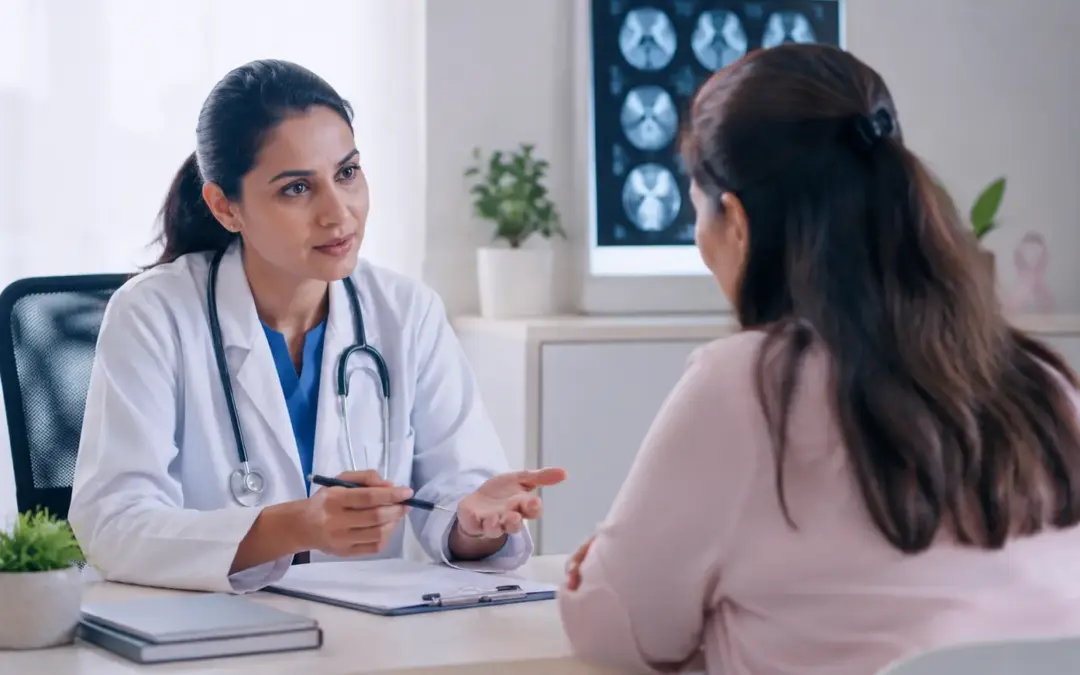
A first oncology visit generally lasts between thirty minutes and an hour. Most of that time is spent reviewing existing test results, followed by a discussion of what those findings mean for next steps. Rather than a treatment session, this initial visit functions as a fact-finding meeting, one where the oncologist gathers a complete picture before outlining any course of action.
According to the consultant oncology team at Lifeline Multispeciality Hospital in Ravet, “Patients often walk in expecting immediate answers, and that’s rarely how the first visit works. It’s more about understanding the full picture before committing to a direction.” Coming prepared for that appointment tends to make the process considerably smoother.
What should you bring to your first oncology appointment?
What Actually Happens During the Appointment?
The structure stays fairly consistent, even though every case looks different on paper.
- Record review: Before forming any opinion, the oncologist works through prior scans, biopsies, and blood work. This alone can take up a substantial portion of the visit.
- Symptom discussion: Patients describe what they’ve actually been experiencing, which often adds context that isn’t fully captured on the chart.
- Physical examination: A focused exam follows, checking for anything the records alone might not reveal. It’s brief, but not skipped.
- Next steps outline: The visit typically closes with a rough plan, whether that’s further testing, a proposed treatment path, or a recommendation to seek a second opinion. Nothing is finalized on the first day.
None of this happens in a single rushed exchange. Our health checkups and referral process are designed to get patients into oncology care with their records already in hand.
How Should You Prepare Before Walking In?
A little preparation goes a long way toward making that first hour genuinely useful.
- Bring every report: Scans and biopsy results matter just as much as prior blood work. Having them on hand from the start saves the oncologist from having to begin from scratch.
- Write your questions down: These conversations tend to move quickly, and it’s easy to lose track of what you intended to ask once the discussion is underway.
- Bring someone with you: Patients often assume they’ll retain everything discussed, but that’s rarely the case. A second person in the room can help pick up on details that might otherwise be missed.
- Expect follow-up, not finality: Leaving with more questions than answers is common after a first visit. It doesn’t indicate anything has gone wrong, only that more remains to be worked through.
Some uncertainty is simply part of a first oncology visit, and preparation won’t remove that entirely. Still, walking in ready tends to make the conversation more productive. For more on regional health patterns, see local health trends.
Why Choose Lifeline Multispeciality Hospital in Ravet?
At Lifeline Multispeciality Hospital, oncology consultations are supported by the hospital’s associated specialist network. New patients are matched with an appropriate oncologist, and by the time they arrive, their records and case summary have typically already been compiled. This coordination between general medicine and oncology helps patients avoid repeated testing and unnecessary delays.
Call +91 9172519029 to arrange an oncology consultation, or visit the hospital near Sant Tukaram Maharaj Bridge, Ravet, Pune.
FAQ's
How long does the first oncology visit usually take?
Typically between 30 and 60 minutes, depending on how much information needs to be reviewed that day.
Will I get a diagnosis at the first visit?
Not usually. Doctors generally prefer to have sufficient test results before confirming a diagnosis, so a further round of testing is common.
Should I bring someone with me?
It can be helpful. Having a second person present often means more of the discussion is retained afterward.
What if I don't have all my previous reports?
If you’ve been treated or tested at Lifeline before, the hospital’s staff can usually help retrieve those records. For reports from other hospitals or labs, you’ll need to bring copies yourself, since the hospital won’t have access to those on file.
Disclaimer: This content is for informational purposes only and doesn’t replace a consultation with a qualified physician.

