

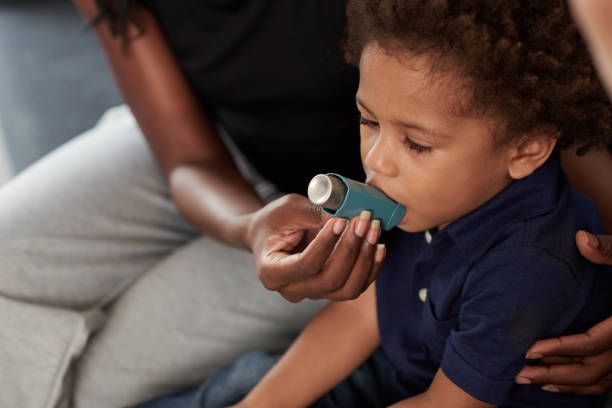
Asthma is the most common chronic respiratory condition in children, and with the right management plan most children with asthma lead entirely normal, active lives. The challenge for parents is understanding what good control actually looks like and knowing when symptoms need medical attention rather than just the reliever inhaler.
According to the consultant pediatric team, at Lifeline Multispeciality Hospital in Ravet,
“The goal with pediatric asthma is not just treating flare ups, it is getting to a point where flare-ups are rare. That means identifying triggers, using the right medications consistently, and reviewing the plan regularly as the child grows.”
Concerned about your child’s breathing or recurring cough?
What Are the Signs of Asthma in Children and What Triggers It?
Asthma in children presents differently from adults, and the symptoms are easy to mistake for recurring colds or a persistent cough. The pediatric care team in Ravet, Pune assesses children with respiratory symptoms regularly, and early diagnosis makes long-term management significantly more straightforward.
- Recurring cough, especially at night: A cough that worsens after bedtime or in the early hours, or one that keeps returning after a cold has cleared, is one of the most common early signs of asthma in children and is frequently mistaken for a simple chest infection.
- Wheezing: A whistling sound when breathing out, particularly after physical activity or during a cold. Not all children with asthma wheeze, but when it’s present it’s a clear signal for assessment.
- Breathlessness with exercise: A child who consistently slows down, avoids activity, or complains of chest tightness during physical play may have exercise-induced bronchospasm, which is a form of asthma that responds well to treatment.
- Chest tightness: Younger children often describe this as a tummy ache or pain “inside the chest.” It tends to come on with the same triggers as other asthma symptoms and eases with bronchodilator use.
- Common triggers: Respiratory infections are the most frequent, followed by dust mites, pet dander, cold air, cigarette smoke, pollen, and air pollution. Exercise triggers symptoms in a large proportion of children with asthma. Identifying a child’s specific triggers is a key part of managing the condition because reducing exposure directly reduces the frequency of episodes.
Asthma diagnosis in younger children is clinical, based on the pattern of symptoms over time rather than a single test. In children old enough to cooperate, spirometry measures lung function and confirms how much airway obstruction is present.
How Is Pediatric Asthma Managed and What Does Long-Term Control Look Like?
Asthma management in children works on two levels: reliever treatment for acute symptoms and preventer treatment that reduces underlying airway inflammation so flare-ups happen less often. Getting this balance right takes a few reviews to fine-tune, and it changes as children grow.
- Reliever inhalers (short-acting bronchodilators): These open the airways quickly during an episode and are the first line for acute symptoms. Needing a reliever more than twice a week is a sign that preventer treatment should be reviewed.
- Preventer inhalers (inhaled corticosteroids): Used daily even when the child feels well, these reduce airway inflammation over time and are the most effective way to reduce the frequency and severity of episodes. The dose is kept as low as needed to maintain control.
- Inhaler technique and spacers: In children, inhaler technique is critical and a spacer device is essential for younger children to ensure the medication reaches the lungs. A pediatrician or nurse demonstrates and checks technique at each review.
- Written asthma action plan: A clear plan telling parents and school staff what to do when symptoms worsen, when to use the reliever, and when to seek medical help. Children with a documented plan have better outcomes and parents feel more confident managing episodes at home.
| Severity | Typical Management | Review Frequency |
| Mild intermittent | Reliever inhaler as needed | Annual or as needed |
| Mild persistent | Low-dose preventer daily | Every 3 to 6 months |
| Moderate persistent | Higher-dose preventer, possible add-on | Every 1 to 3 months |
| Acute severe episode | Nebulisation, oral steroids, hospital care | Immediate |
Asthma sits alongside a broader group of respiratory conditions seen in children — many of the same triggers and warning signs that parents learn to recognise in asthma apply equally to the childhood illnesses that cause temporary breathing difficulties and require prompt pediatric assessment.
Why Choose Lifeline Multispeciality Hospital in Ravet for Pediatric Asthma Care?
Lifeline Multispeciality Hospital in Ravet has an experienced pediatric team, 24/7 emergency support, nebulisation and acute respiratory care, a dedicated ICU, and modern diagnostics under one roof. Asthma in children can escalate from a manageable flare-up to a severe episode requiring urgent intervention quickly, and having emergency pediatric care, oxygen support, and specialist backup all in one place means children get the right response without delay.
FAQ's
Can children with asthma live a normal life?
Yes. With the right management plan, most children with asthma participate fully in school, sports, and daily activities. Regular review with a pediatrician and keeping a reliever inhaler available are the core of that plan.
How do I know if my child has asthma or just a recurring cough?
A recurring cough that worsens at night or after exercise, along with wheezing or episodes of breathlessness that come and go, are the typical signs. A pediatrician assesses the pattern of symptoms and in older children may use lung function tests to confirm the diagnosis.
What triggers asthma attacks in children?
Common triggers include respiratory infections, dust mites, pet dander, pollen, cigarette smoke, cold air, exercise, and air pollution. Triggers vary between children, and identifying a child’s specific ones helps reduce the frequency of episodes.
Will my child outgrow asthma?
Some children see their asthma improve significantly as they get older, particularly those with milder disease. It does not always resolve completely, and some carry it into adulthood. Regular review ensures the management plan stays appropriate as the child grows.

