

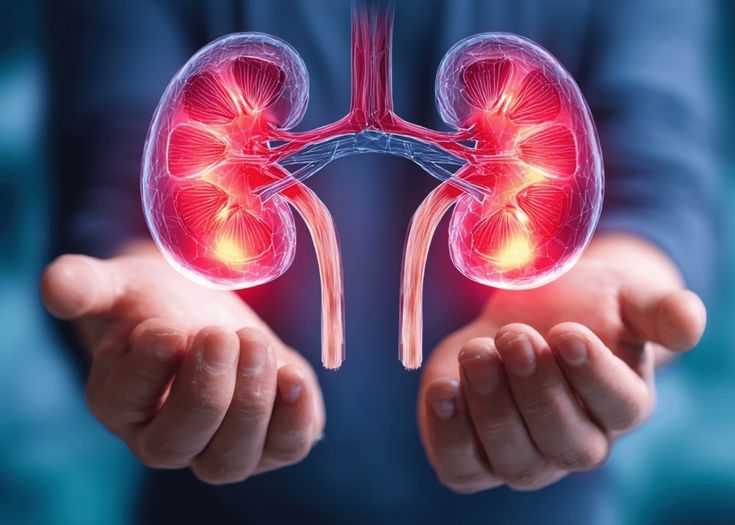
Kidney stones are one of the most painful conditions a person can experience, and the right treatment depends entirely on the stone’s size, location, and whether it’s causing obstruction. What worked as standard practice a decade ago open surgery in most cases has largely been replaced by minimally invasive procedures that most patients recover from in days rather than weeks.
According to Dr. Pradeep Bansode, expert surgeon at Lifeline Multispeciality Hospital in Ravet,
“The question patients ask most is whether they need surgery at all. Small stones often pass on their own. For the ones that don’t, we now have options that are far less disruptive than traditional open surgery, and most patients are genuinely surprised how quickly they’re back to normal.”
Experiencing kidney stone pain and unsure which treatment is right?
What Are the Treatment Options for Kidney Stones?
Kidney stone treatment ranges from watchful waiting and medication for small stones to laser fragmentation and, in a small number of complex cases, open surgery. At Lifeline, our team offers advanced general surgery in Ravet, Pune, covering the full range of urological and surgical procedures needed to manage kidney stones based on what each patient’s case actually requires.
- Watchful waiting: Stones smaller than 5 to 6 mm have a reasonable chance of passing on their own with adequate fluid intake and pain management. The patient is monitored to confirm the stone moves and no infection or obstruction develops.
- ESWL (Extracorporeal Shock Wave Lithotripsy): A non-invasive option that uses external shock waves to break smaller stones into fragments that can then pass through urine. It works best for stones in the kidney or upper ureter that are not too large or dense.
- Ureteroscopy with laser lithotripsy (URS): A thin scope is passed through the urethra and bladder to reach the stone in the ureter or kidney, and a laser breaks it into small fragments. No incision is needed. This is the most commonly used procedure for stones that cannot pass on their own.
- PCNL (Percutaneous Nephrolithotomy): For large stones, typically above 2 cm, a small puncture is made directly into the kidney through the back and the stone is removed. It requires a brief hospital stay but avoids the much larger incision of open surgery.
- Open surgery: Now reserved for very large, complex, or anatomically difficult cases where other approaches are not feasible. It is effective but involves a longer recovery and is rarely the first choice with modern alternatives available.
The decision is never one-size-fits-all. Stone size, location, kidney function, and whether there is obstruction or infection all factor into which approach is safest and most effective for a given patient.
What Does Recovery After Kidney Stone Treatment Look Like?
Recovery varies significantly depending on which procedure was used, and understanding the difference helps patients plan properly and avoid complications from returning to activity too soon.
- After ESWL: Most patients go home the same day. Mild bruising over the treated area and some blood in the urine for a day or two are normal. Fragments pass over the following days to weeks, which can cause mild discomfort.
- After ureteroscopy with laser (URS): Discharge is typically within one to two days. A temporary ureteric stent is sometimes placed to help the ureter heal and is removed after a week or two in a brief outpatient procedure.
- After PCNL: A short hospital stay of two to three days is usual, with a nephrostomy tube in place initially. Most patients return to light routine activities within two to three weeks and full activity as advised by their surgeon.
- After open surgery: Recovery is longer, with a hospital stay of five to seven days and four to six weeks before returning to full activity. Pain management and wound care are more involved than with minimally invasive procedures.
Procedure | Hospital Stay | Return to Routine |
ESWL | Same day | A few days |
URS with laser | 1 to 2 days | 1 to 2 weeks |
PCNL | 2 to 3 days | 2 to 3 weeks |
Open surgery | 5 to 7 days | 4 to 6 weeks |
Stone recurrence is common without addressing the underlying cause, which is why a post-treatment review matters as much as the procedure itself, the same principle that applies across all urological conditions where follow-up determines the long-term outcome.
Why Choose Lifeline Multispeciality Hospital in Ravet for Kidney Stone Treatment?
Lifeline Multispeciality Hospital in Ravet has experienced surgical and urology specialists, modular operation theatres, a dedicated ICU, and 24/7 emergency support under one roof. Kidney stones can escalate quickly from a manageable condition to an obstructed, infected kidney requiring urgent intervention, and having full diagnostic, surgical, and critical care capability in one place means the right treatment happens without delay.
FAQ's
Is laser treatment better than open surgery for kidney stones?
For most stones, laser treatment through ureteroscopy is preferred — no incisions, shorter stay, faster recovery. Open surgery is reserved for very large or complex cases where minimally invasive options aren’t feasible. Your urologist chooses the approach based on stone size, location, and your health.
Can kidney stones be treated without surgery?
Small stones under 5 to 6 mm often pass on their own with fluids and pain management. ESWL uses external shock waves to break suitable stones without any incision. Larger stones or those causing obstruction or infection usually need a procedure to remove them.
How long does recovery take after kidney stone surgery?
Ureteroscopy with laser typically means discharge within one to two days and return to routine within a week or two. PCNL takes two to three weeks for full recovery. Open surgery is longer at four to six weeks, though it’s rarely needed today.
Will kidney stones come back after treatment?
Recurrence is common without preventive steps. After treatment, a urologist reviews diet, fluid intake, and urine chemistry to understand why stones formed and reduce the chance of recurrence. Staying well hydrated and following dietary advice specific to your stone type are the most effective measures.

