

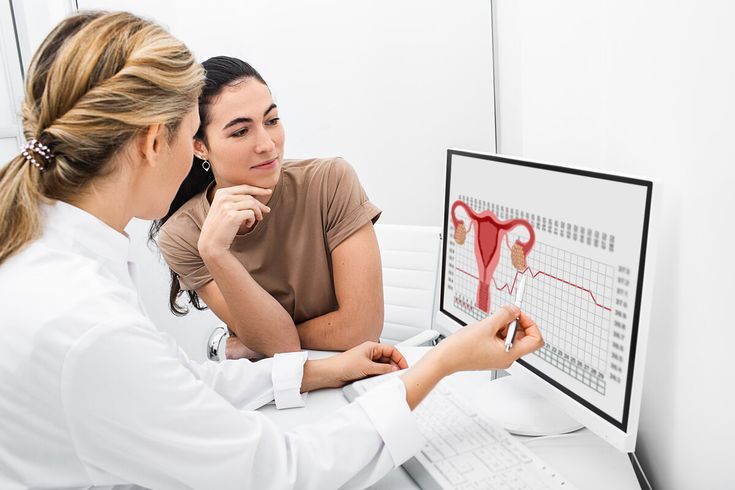
Most gynecological conditions are manageable when caught early, but a lot of women delay getting assessed because the symptoms feel easy to dismiss or push through. That delay is usually what turns a treatable problem into a more complicated one.
According to Dr. Nivedita Kadu,gynecologist at Lifeline Multispeciality Hospital in Ravet,
“Many women normalise symptoms like irregular periods or pelvic pain for years before coming in. In most cases, the condition was very manageable at the start and became more involved simply because it wasn’t addressed sooner.”
Experiencing symptoms and not sure what they mean?
What Are the Most Common Gynecological Problems Women Face?
Gynecological conditions affect women across all age groups and cover a wide range of concerns, from hormonal imbalances and menstrual disorders to structural problems that need surgical management. The Obstetrics and Gynecology team in Ravet, Pune assesses and manages the full range, from routine concerns to conditions requiring specialist intervention.
- PCOS (Polycystic Ovary Syndrome): A hormonal condition affecting the ovaries that disrupts menstrual cycles, causes irregular periods, and can affect fertility. It’s one of the most common gynecological diagnoses in women of reproductive age and is managed with medication, lifestyle changes, and in some cases minor procedures.
- Uterine fibroids: Non-cancerous growths in the uterine wall that range from tiny and asymptomatic to large enough to cause heavy bleeding, pelvic pressure, and pain. Small fibroids with no symptoms are monitored; those affecting quality of life or fertility need medical or surgical treatment.
- Endometriosis: Tissue similar to the uterine lining grows outside the uterus, most commonly on the ovaries, fallopian tubes, or pelvic lining. It causes pelvic pain, painful periods, and in many cases affects fertility. Diagnosis is often delayed because the symptoms overlap with other conditions.
- Menstrual disorders: This covers a wide range including very heavy periods, absent periods, extremely painful periods, and cycles that are unpredictably irregular. Each has different underlying causes and different treatment approaches, so accurate diagnosis matters before treatment starts.
- Pelvic inflammatory disease (PID): An infection of the reproductive organs usually caused by bacteria, often linked to untreated infections. It causes pelvic pain, unusual discharge, and fever, and needs prompt antibiotic treatment to prevent long-term damage to the fallopian tubes.
Not every gynecological condition needs surgery, many are managed effectively with medication and monitoring but all of them need a proper assessment so the right treatment path is chosen from the start.
What Does Managing a Gynecological Condition Actually Involve?
Treatment depends entirely on the condition, its severity, and what the woman’s priorities are, which may include symptom relief, fertility, or both. Most gynecological conditions are approached in steps, starting with the least invasive option and escalating only when needed.
- Diagnosis first: A clinical examination, pelvic ultrasound, blood tests for hormonal levels, and in some cases a laparoscopy are used to confirm what the condition is and how advanced it is before any treatment is started.
- Medical management: Hormonal therapy, oral contraceptives, and targeted medications are the first line for most conditions including PCOS, fibroids, and endometriosis. Many women see significant improvement without any procedure.
- Minimally invasive procedures: When medication isn’t enough, laparoscopic surgery handles a large proportion of gynecological conditions including fibroid removal, endometriosis treatment, and ovarian cyst drainage with minimal recovery time.
- Surgical management: More significant surgery, such as hysterectomy for severe fibroids or advanced endometriosis, is considered when other options have not worked and symptoms are severely affecting quality of life. The decision is always made jointly with the patient.
| Condition | First-line Management | When Surgery Is Considered |
| PCOS | Medication, lifestyle changes | Ovarian drilling if medication fails |
| Fibroids | Hormonal therapy, monitoring | Heavy bleeding, fertility impact, size |
| Endometriosis | Hormonal suppression | Persistent pain, fertility issues |
| Menstrual disorders | Hormonal or targeted medication | Structural cause identified |
Conditions like PCOS and fibroids often overlap with pregnancy-related concerns, which is why women with these diagnoses are monitored more closely during pregnancy, the same close monitoring approach that applies to high-risk pregnancy care at Lifeline.
Why Choose Lifeline Multispeciality Hospital in Ravet for Gynecological Care?
Lifeline Multispeciality Hospital in Ravet has experienced obstetricians and gynecologists, advanced diagnostic support, laparoscopic surgical capability, a dedicated ICU, and 24/7 emergency cover under one roof. Gynecological conditions often intersect with pregnancy, hormonal health, and general medicine, and having all those specialties in one place means a woman’s care is coordinated rather than fragmented across multiple hospitals.
FAQ's
What are the most common gynecological problems in women?
Common conditions include PCOS, uterine fibroids, endometriosis, irregular or painful periods, vaginal infections, and pelvic inflammatory disease. Most are manageable when diagnosed early, and a gynecologist can assess which treatment approach fits your situation.
When should a woman see a gynecologist?
For irregular, painful, or very heavy periods, pelvic pain, unusual discharge, or difficulty conceiving. Annual check-ups are also recommended even without symptoms, since many gynecological conditions have no obvious early warning signs.
Does PCOS require surgery?
Most cases are managed with medication and lifestyle changes rather than surgery. In specific situations where medication hasn’t worked, a minor laparoscopic procedure may be considered. Your gynecologist recommends the right approach based on your symptoms and goals.
Can fibroids go away without treatment?
Small fibroids with no symptoms are often monitored rather than treated, and they typically shrink after menopause as oestrogen levels fall. Fibroids causing heavy bleeding, pelvic pressure, or fertility problems generally need treatment, either medical or surgical depending on size and location.

