

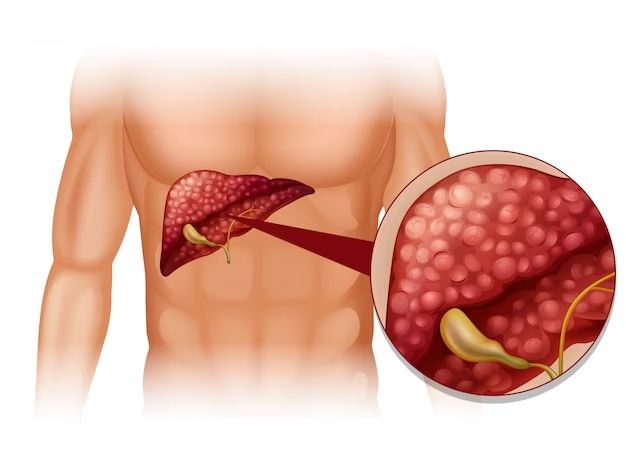
Gallstones are one of the most common reasons people need abdominal surgery, and the approach used laparoscopic or open makes a significant difference to how quickly a patient recovers. For the large majority of cases today, keyhole surgery is the standard and open surgery is the exception rather than the rule.
According to Dr. Pradeep Bansode, general and laparoscopic surgeon at Lifeline Multispeciality Hospital in Ravet,
“Most patients who come in worried about gallbladder surgery are relieved to hear that the keyhole approach is usually an option. Four small incisions, often home the same day or the next, and back to normal within a couple of weeks. Open surgery still has its place for complex cases, but it’s not where we start.”
Experiencing gallstone pain and want to understand your options?
What Are Gallstones and When Does the Gallbladder Need to Be Removed?
Gallstones are hard deposits that form in the gallbladder from bile components, usually cholesterol or bilirubin. Many people have them without knowing it. The problem starts when a stone blocks the bile duct or causes inflammation, producing pain that ranges from a dull ache after eating to a severe attack in the upper right abdomen. The general surgery team in Ravet, Pune manages gallbladder conditions from initial assessment through to surgical removal, with laparoscopic cholecystectomy as the standard approach for suitable patients.
- Symptomatic gallstones: Stones that cause recurring pain, particularly after fatty meals, nausea, or bloating. Once symptoms begin, they tend to recur and the risk of complications rises with each episode. Surgery is the most reliable long-term solution.
- Acute cholecystitis: Inflammation of the gallbladder, usually triggered by a stone blocking the cystic duct. It causes severe right-sided abdominal pain, fever, and nausea and often needs urgent surgical management rather than planned, elective removal.
- Gallstone pancreatitis: When a stone escapes into the common bile duct and blocks the pancreatic duct, it causes acute pancreatitis. After stabilisation, the gallbladder is removed to prevent recurrence.
- Choledocholithiasis: Stones that migrate from the gallbladder into the common bile duct cause jaundice, dark urine, and fever. These need endoscopic clearance of the duct followed by laparoscopic cholecystectomy.
- Asymptomatic gallstones: Stones that cause no symptoms are generally monitored rather than treated immediately. The decision to operate is made when symptoms begin or when there are specific risk factors for complications.
Not every patient with gallstones needs immediate surgery, but anyone with symptoms should be assessed promptly, as complications like acute cholecystitis or pancreatitis can develop without warning and require urgent intervention.
What Does Recovery After Gallbladder Surgery Look Like?
Recovery after laparoscopic gallbladder removal is faster than most patients expect, and understanding what each stage involves helps people plan properly and avoid returning to full activity before the internal healing is complete.
- Day of surgery: Laparoscopic cholecystectomy is frequently performed as a day-care procedure, with patients monitored for a few hours after the operation and discharged the same day when observations are stable. An overnight stay is arranged when needed.
- First two to three days: Mild soreness around the small incision sites and shoulder tip pain from residual gas are the most common post-operative complaints. Both settle quickly with simple pain relief and gentle movement.
- First one to two weeks: Light activity, desk work, and most daily routines resume gradually. The incision sites continue to heal externally while deeper healing proceeds internally at its own pace.
- Full activity: Strenuous exercise and heavy lifting are deferred until the surgeon confirms healing is complete at the follow-up appointment, typically around two to four weeks after the procedure.
Stage | Typical Timeline | What to Expect |
Hospital stay | Day-care to 1 night | Monitored, discharged when stable |
Early recovery | Days 1 to 3 | Mild soreness, shoulder tip discomfort |
Back to routine | 1 to 2 weeks | Light activity, desk work resumes |
Full activity | 2 to 4 weeks | Cleared at follow-up appointment |
The recovery outcomes that patients experience after laparoscopic cholecystectomy are well illustrated in Lifeline’s documented case of same-day recovery following keyhole gallbladder removal, where minimal post-operative discomfort and prompt discharge were the result of both the surgical approach and the team’s structured recovery protocol.
Why Choose Lifeline Multispeciality Hospital in Ravet for Gallbladder Surgery?
Lifeline Multispeciality Hospital in Ravet has experienced general and laparoscopic surgeons including Dr. Pradeep Bansode, modular operation theatres equipped for minimally invasive procedures, a dedicated ICU, and 24/7 emergency support under one roof. Gallbladder conditions can escalate from a planned elective procedure to an acute emergency requiring urgent surgery, and having full surgical, anaesthetic, and critical care capability in one place means no delays when the situation changes.
FAQ's
Is laparoscopic gallbladder surgery safe?
Yes. Laparoscopic cholecystectomy is the standard approach with a well-established safety record. It causes less tissue disruption than open surgery and carries a lower risk of wound infection. Your surgeon discusses specific risks based on your individual health before the procedure.
Can gallstones be treated without surgery?
Medication to dissolve stones exists but works only for small cholesterol stones, takes months to years, and has a high recurrence rate. For symptomatic gallstones causing pain or complications, removing the gallbladder is the most reliable and permanent solution.
Can you live normally without a gallbladder?
Yes. The gallbladder stores bile but is not essential for digestion. After removal, bile flows directly from the liver into the small intestine. Most people return to a normal diet within a few weeks, with some mild adjustment to very fatty foods initially.
How long does recovery take after laparoscopic gallbladder surgery?
Most patients are discharged within one to two days, and many are suitable for same-day discharge. Light activity and desk work resume within one to two weeks. Strenuous activity waits until the surgeon confirms healing is complete at the follow-up appointment.

