
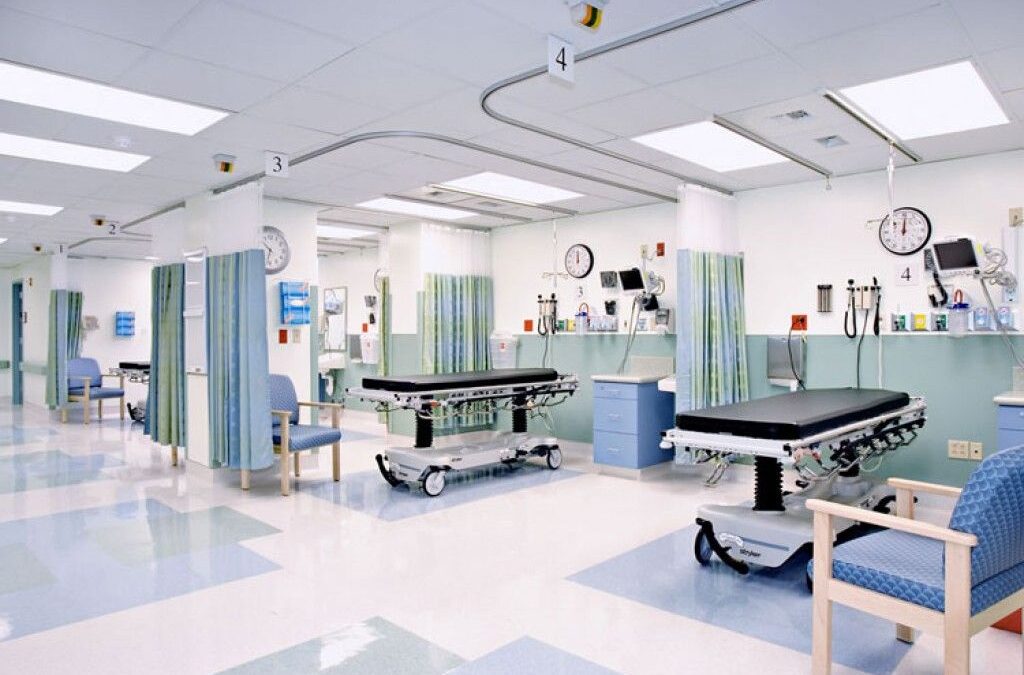
A 24/7 emergency hospital near Nigdi must have a fully operational accident and emergency department, advanced ICU with continuous critical care monitoring, trained emergency and trauma specialists present on-site at all hours, in-house diagnostics running round the clock, and modular operation theatres ready for immediate surgical intervention. These aren’t premium features. They’re the baseline that determines whether a facility can actually manage a crisis or just stabilises patients before shipping them somewhere else. For families across Nigdi, Akurdi and Ravet, knowing what to look for before an emergency happens is what makes the difference when it does. A 24/7 emergency hospital near Nigdi that genuinely has all of this removes the need to gamble on whichever gate is open at 3am.
According to our emergency care specialist
“The first 60 minutes after a medical emergency are when outcomes are decided a facility that can’t act within that window isn’t an emergency hospital, it’s a waiting room.”
What Must a Real Emergency Hospital Actually Have?
Not nice-to-haves. The things that separate a facility that handles emergencies from one that manages the paperwork while someone waits for a referral.
- A doctor physically in the building: On-call from home isn’t the same as present on-site. The time it takes someone to drive in after a 2am phone call is time a trauma patient doesn’t have, and that gap shows up in outcomes whether anyone admits it or not.
- An ICU that runs through the night: Initial treatment is one part of it. What happens in the hours after the monitoring, the adjustments, catching what’s developing needs critical care staff present, not available by phone if something goes wrong.
- Diagnostics that don’t wait for morning: If blood work and imaging can only happen when the lab opens, the hospital isn’t equipped for genuine emergencies. Results drive decisions, and delays in results are delays in treatment when time is the one thing in short supply.
- An OT that’s actually ready: Appendicitis, internal bleeding, traumatic injury — these need a surgeon and a sterile, fully equipped theatre fast. A setup that takes an hour to prepare or cuts corners on sterilisation adds risk that an already critical patient shouldn’t be absorbing.
If abdominal pain, swelling or digestive symptoms have been sitting unaddressed, a general surgery consultation now is a much better position to be in than arriving at an emergency department when things have moved further along.
What Else Should Families Around Nigdi Be Checking?
Emergency infrastructure matters first. But families need a hospital that holds up across more than one kind of situation, because emergencies aren’t the only time you need it to work.
- Maternity cover that doesn’t clock off: Labour complications don’t follow a timetable. A hospital without a specialist OB-GYN team available through the night isn’t a safe choice for any woman in her third trimester and proximity doesn’t make up for that gap.
- A paediatrician, not a stand-in: Kids in emergencies present differently. The response needs to match that. A general physician doing their best is not the same as a paediatrician who’s seen this before, and in a critical situation that difference matters more than most parents realise until it doesn’t.
- Specialists who are actually reachable: Being told mid-emergency that the relevant specialist isn’t available and you need to go somewhere else is the hospital’s problem, not yours. That shouldn’t be a conversation that happens when someone is already in crisis.
- Staff who talk to families clearly: Panic makes bad decisions. Hospitals where someone takes two minutes to explain what’s happening, what’s being done and what comes next produce better outcomes not because medicine changes but because families stop guessing and start cooperating.
If pregnancy or a gynaecological concern is something you’re managing in the Nigdi area, the obstetrics and gynecology services page is worth a look before something becomes urgent rather than after.
Why Choose Lifeline Multispecialty Hospital ?
Lifeline Multispeciality Hospital opened in November 2023 with 24/7 emergency and trauma care, a working ICU, modular operation theatres with proper sterilisation, and diagnostics available at all hours. General medicine, surgery, obstetrics and gynaecology are covered by the core team, with visiting specialists across orthopaedics, urology, neurology, spine surgery and oncology. Most of what families in this area deal with – planned or unplanned – gets handled in one place.
What patients consistently mention is that someone was actually there when they arrived and knew what to do. That sounds like it should be standard. It isn’t always.
FAQ's
What must a 24/7 emergency hospital near Nigdi have?
It must have a functioning accident and emergency department, advanced ICU, on-site trauma specialists, round-the-clock diagnostics and operation theatres ready for immediate use. A facility missing any of these cannot safely manage serious emergencies without transferring patients out.
Is Lifeline Multispeciality Hospital open for emergencies at night?
Yes. Lifeline runs 24/7 emergency and trauma care with on-site ICU support, diagnostics and surgical capability available at all hours including nights, weekends and public holidays.
How far is Lifeline Hospital from Nigdi?
Lifeline Multispeciality Hospital is in Ravet near Sant Tukaram Maharaj Bridge, a short drive from Nigdi and Akurdi through the main connecting corridor between these areas.
Does Lifeline handle maternity emergencies?
Yes. The OB-GYN team covers labour complications, high-risk deliveries and gynaecological emergencies without sending patients to a city hospital mid-crisis.
References:
- Emergency care standards and response times – World Health Organization
- Critical care and ICU best practices – National Institutes of Health

